

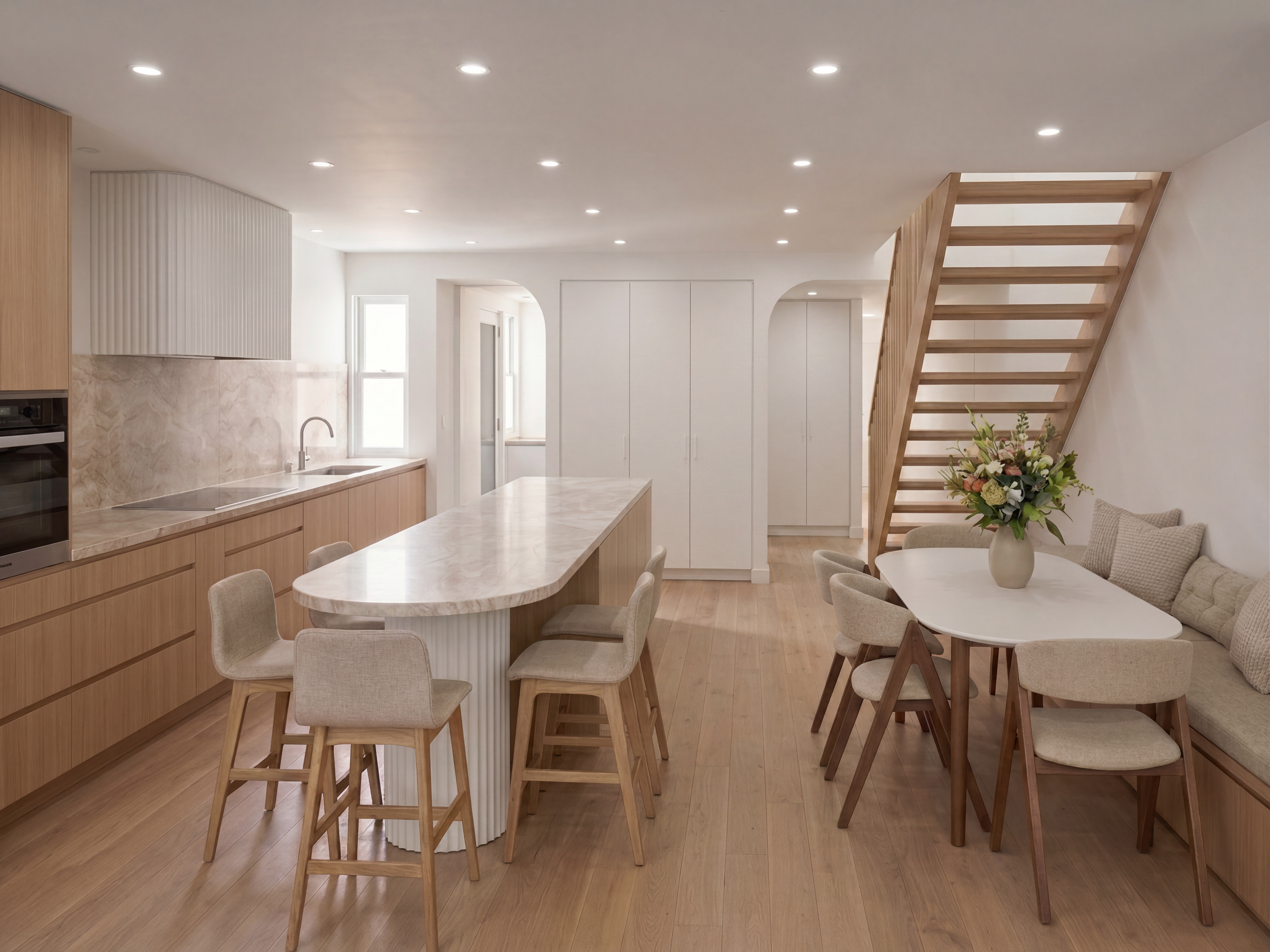
5 Things to Know Before Extending Your Family Home in Sydney
Start your renovation today
Extending your family home can feel both exciting and overwhelming. Whether you’re welcoming a new baby, juggling growing kids, or simply outgrowing your current space, a well-planned extension can transform the way you live.
But before you dive in, there are a few things every Sydney homeowner should know to save time, reduce stress, and get the best results.
Here are the five most important factors to consider before you begin your family home extension.
1. Check What’s Possible on Your Block
Every site in Sydney comes with its own set of rules, opportunities, and limitations. Things like block size, slope, neighbouring buildings, and easements (such as stormwater or sewer lines) all affect what’s possible.
Local councils also set planning controls around setbacks, maximum building height, and how much of your land can be built on.
Tip: Before you start sketching ideas, ask your architect to do a planning review. This quick step can save you months of wasted time and costly redesigns later.
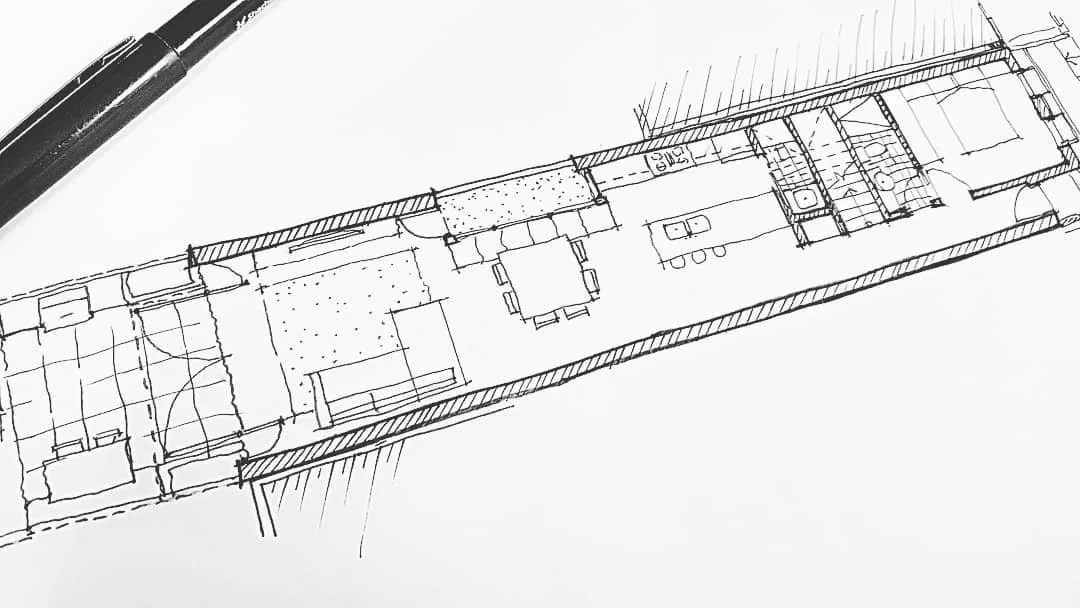
2. Understand the Approval Pathways
In NSW, most extensions will need approval through either:
A Development Application (DA) with your local council, or
A Complying Development Certificate (CDC) if your project meets specific state planning criteria.
Each pathway has pros and cons. DAs allow more design flexibility but can take longer. CDCs are faster, but stricter.
Tip: An architect can advise the best pathway for your project early on, so you know what to expect.
3. Design for How Your Family Really Lives
It’s tempting to add square metres without much thought — but the best extensions aren’t about size, they’re about smart design.
Consider:
Where do you spend most of your family time?
How do mornings and evenings flow in your home?
Do you need more open space, or more storage?
As a mum (and an architect), I’ve seen firsthand how families thrive in homes designed with real-life living in mind — from kids’ play zones to clever storage and flexible spaces that adapt as children grow.
Tip: Focus on functionality first, then aesthetics. A well-designed home can feel bigger without being bigger.
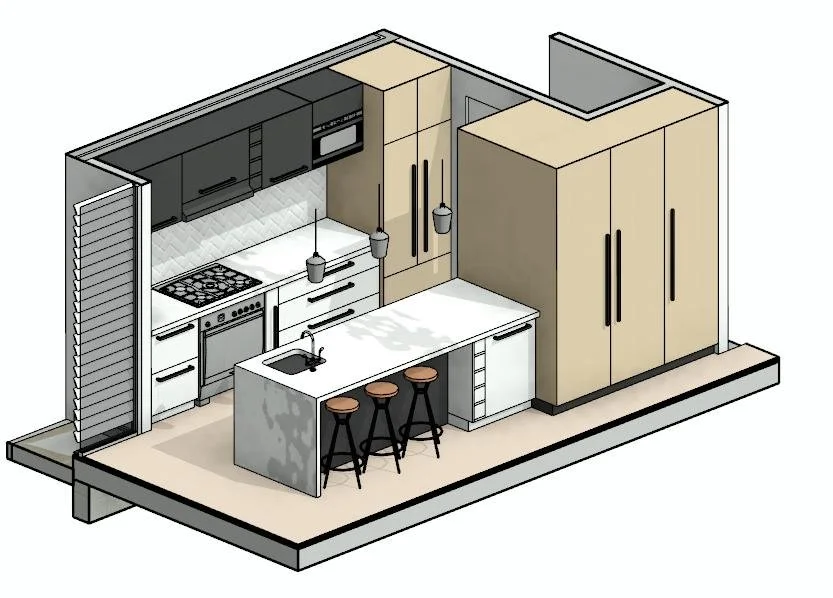
Lilyfield Terrace - Kitchen Design
4. Budget Beyond Construction
Your extension budget shouldn’t just include building costs. Other expenses to plan for include:
Architect and consultant fees
Council or certifier fees
Structural engineer reports
Surveying and soil tests
Landscaping, furniture, and finishes
A common rule of thumb is to allow 10–15% contingency for unexpected costs — especially important with today’s fluctuating construction prices.
Tip: Be upfront about your budget with your architect. This ensures your design matches your financial comfort zone.
5. Choose the Right Team Early
An extension is a big investment — and the right team makes all the difference. Start with an architect who understands your vision and lifestyle. They’ll coordinate with engineers, surveyors, and eventually your builder, making sure the process runs smoothly.
Tip: Look for an architect who’s approachable, transparent, and experienced in family-friendly design. You should feel comfortable asking questions and sharing your concerns.
Conclusion
A family home extension is about more than adding rooms — it’s about creating a space that works for your family today and in the years ahead.
By checking what’s possible on your block, understanding approvals, focusing on smart design, budgeting realistically, and choosing the right team, you’ll set yourself up for a smooth and successful project.
At Goodbrand Architects AU, we specialise in helping families across Sydney design extensions that are both practical and beautiful. If you’re considering extending your home, let’s start with a conversation.